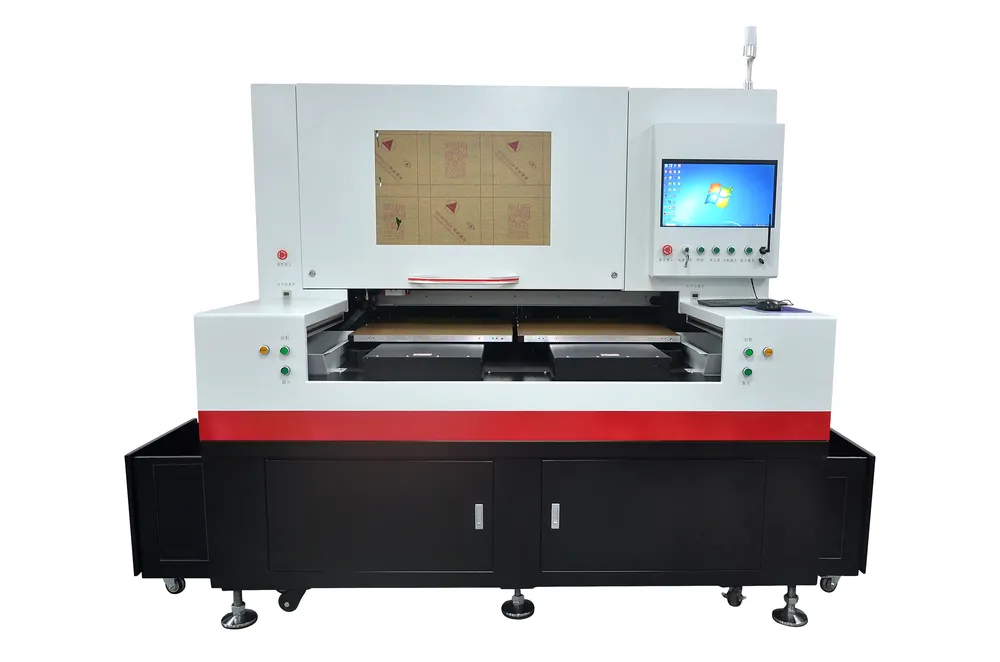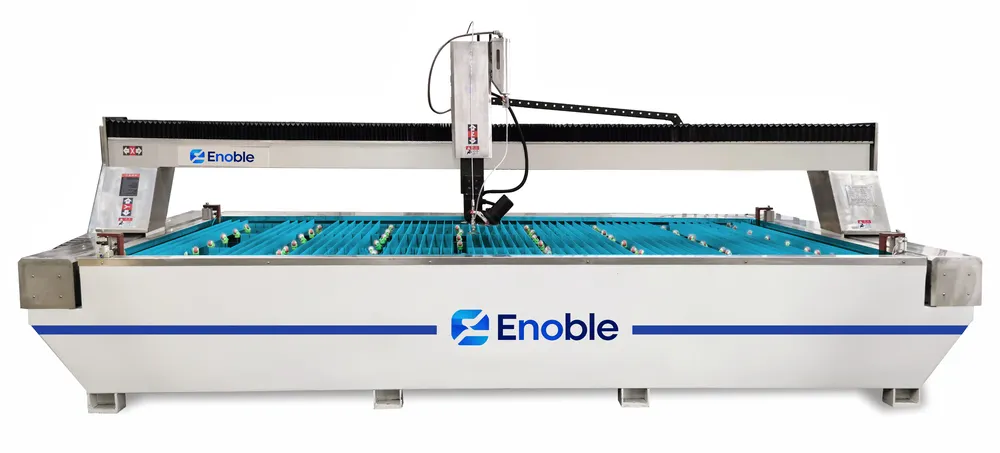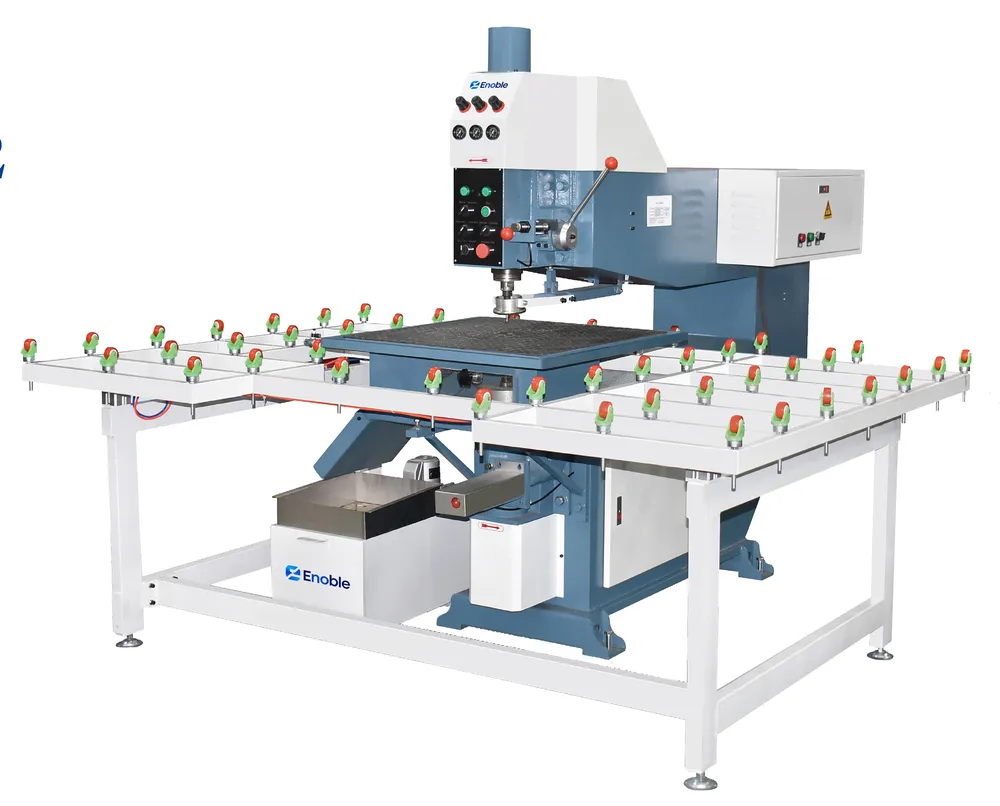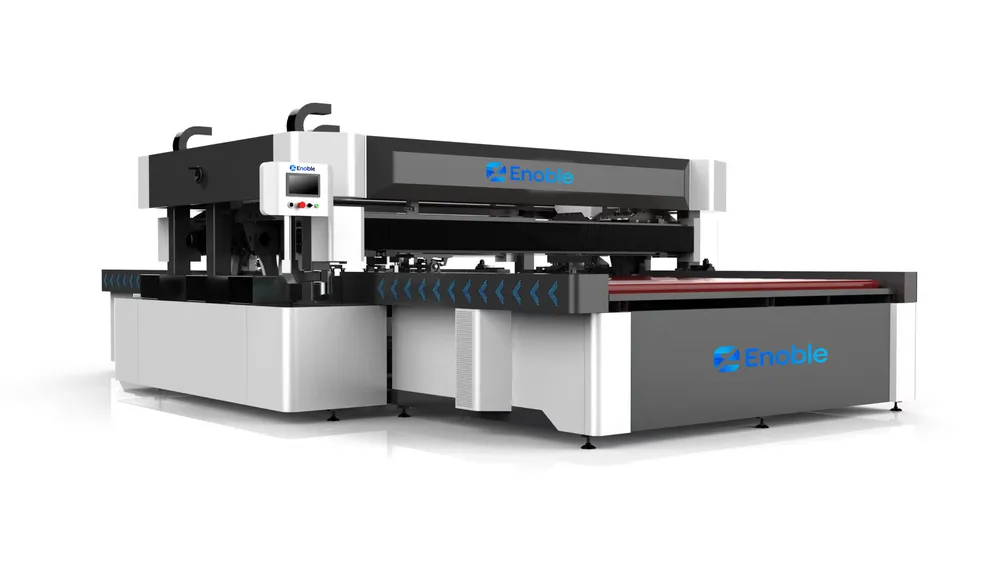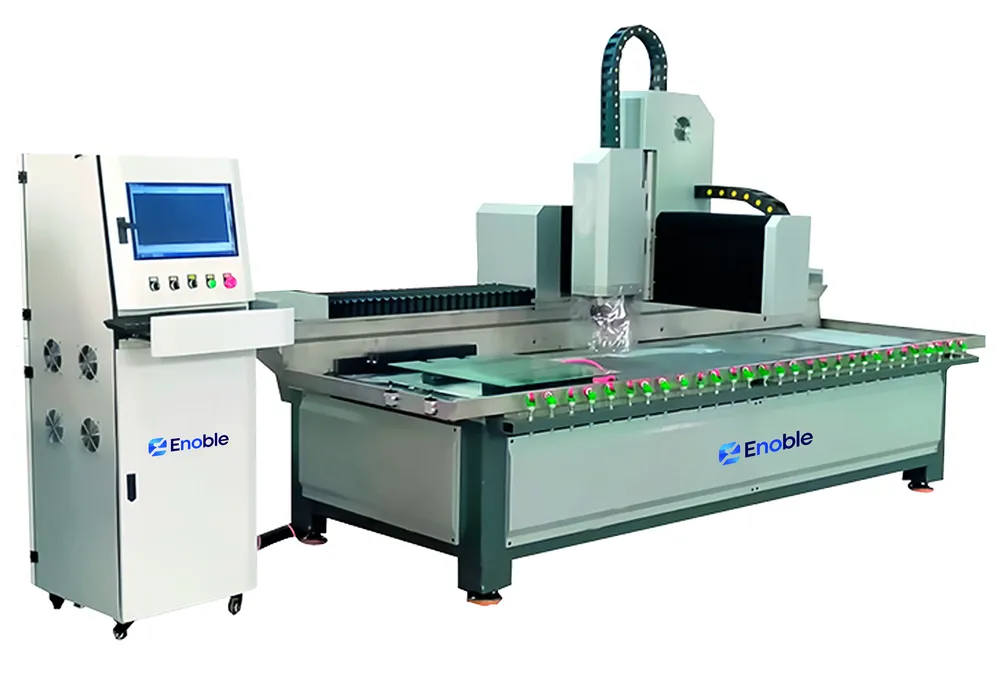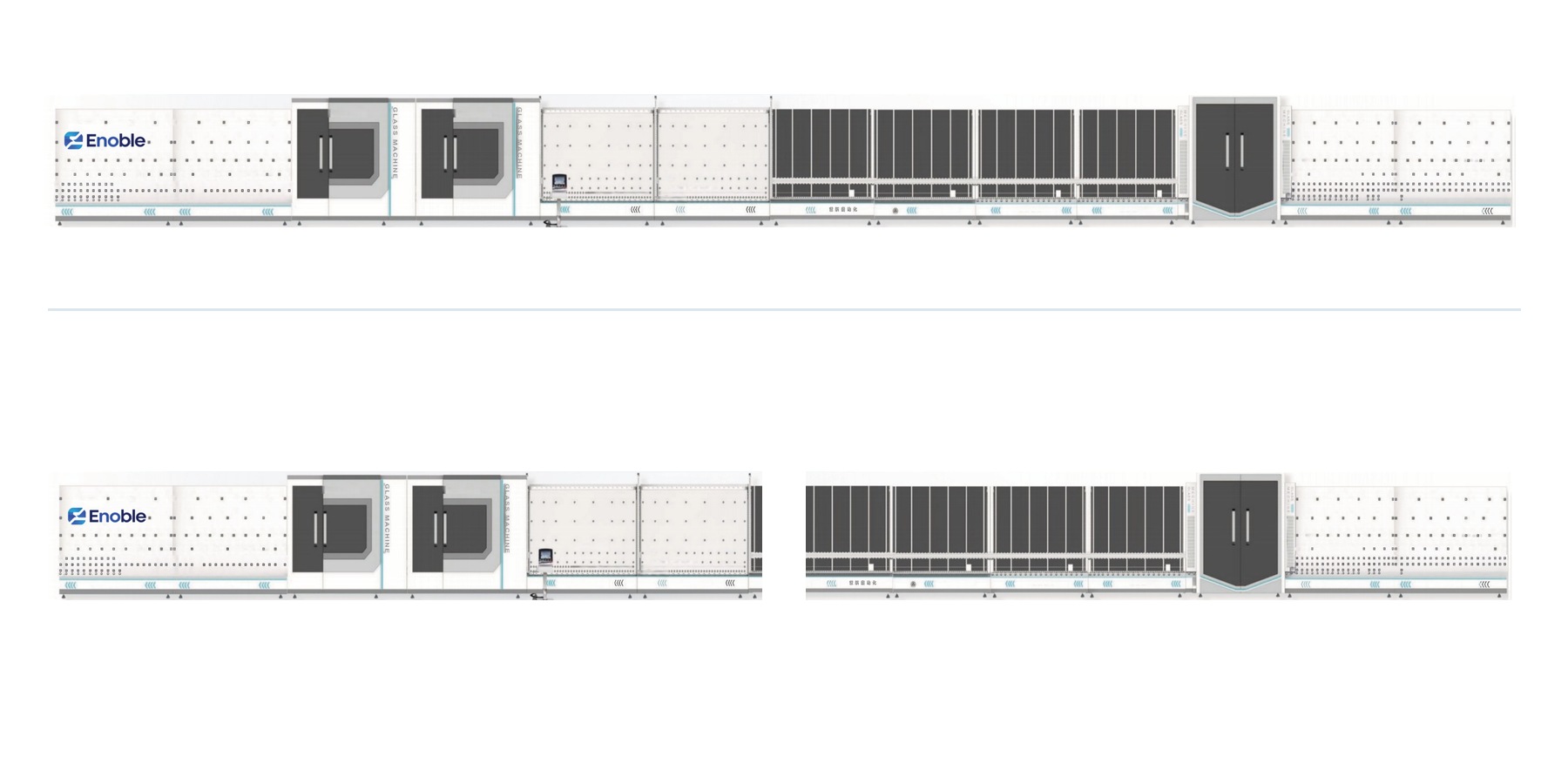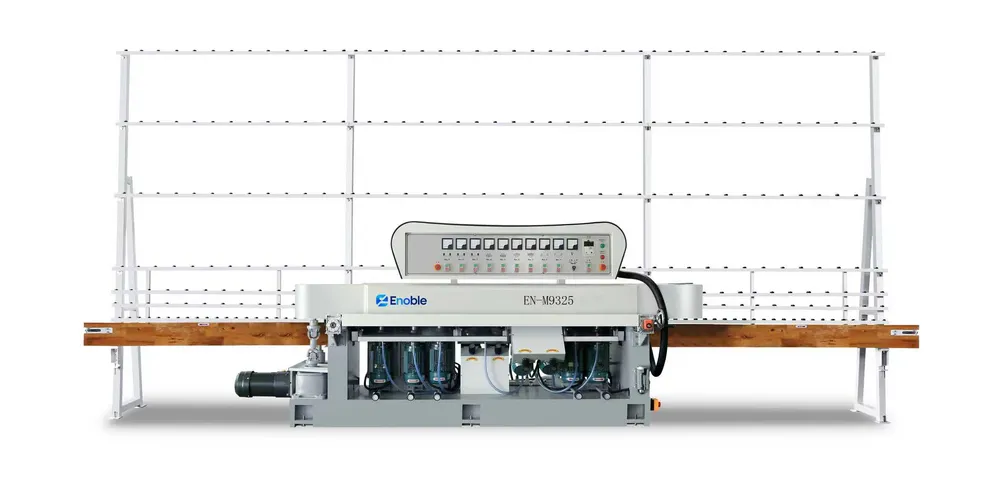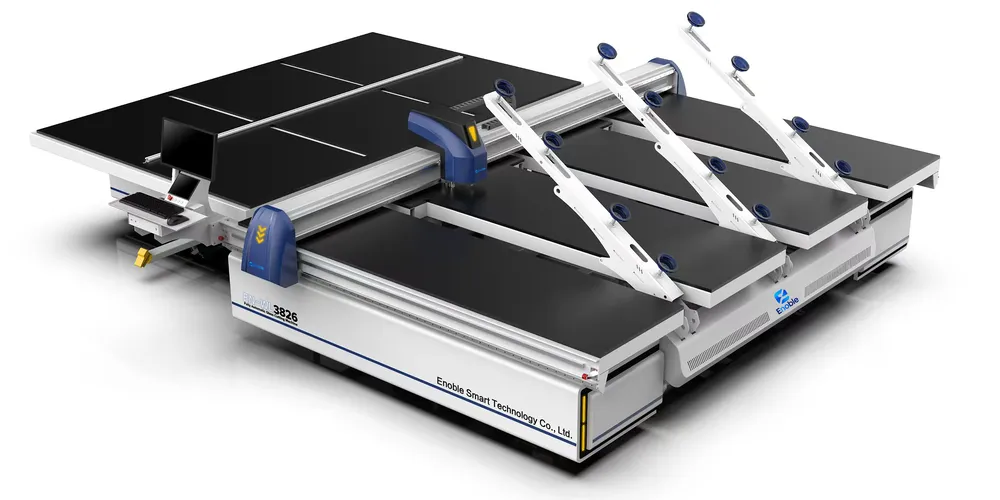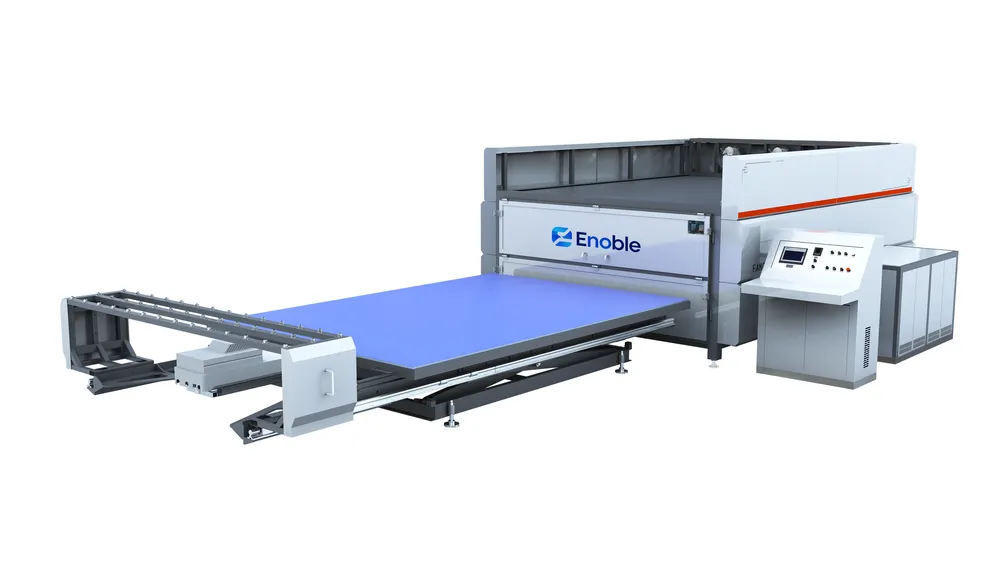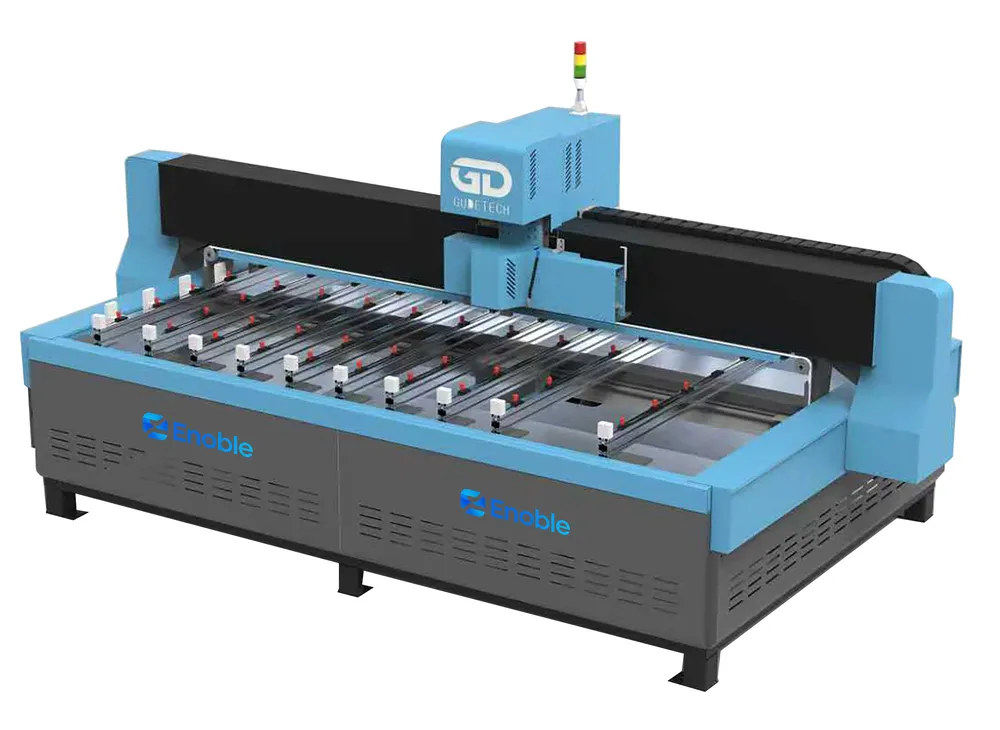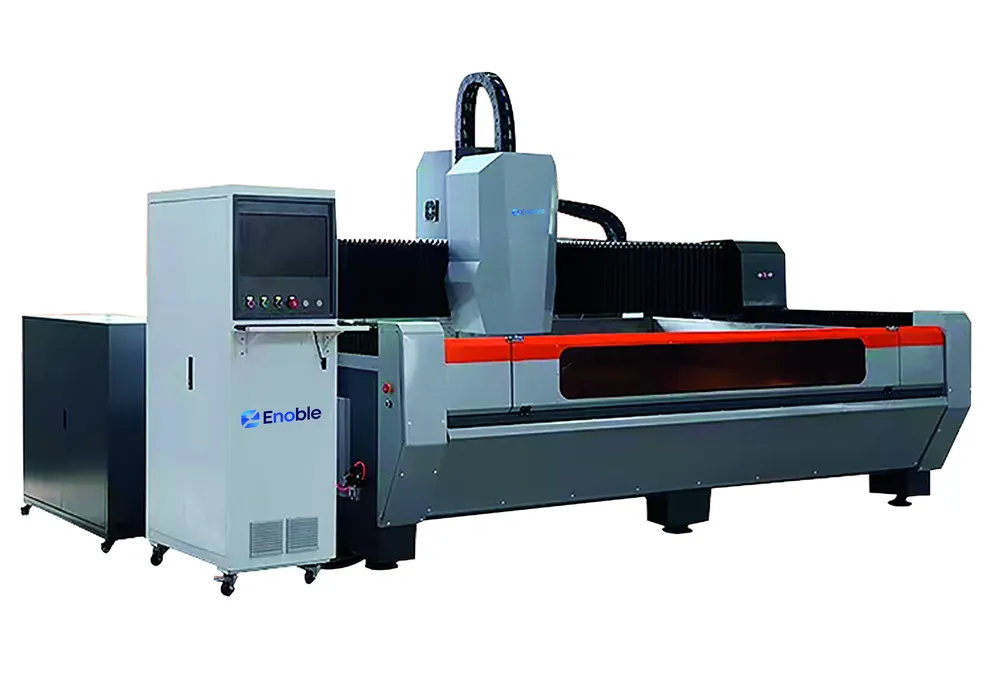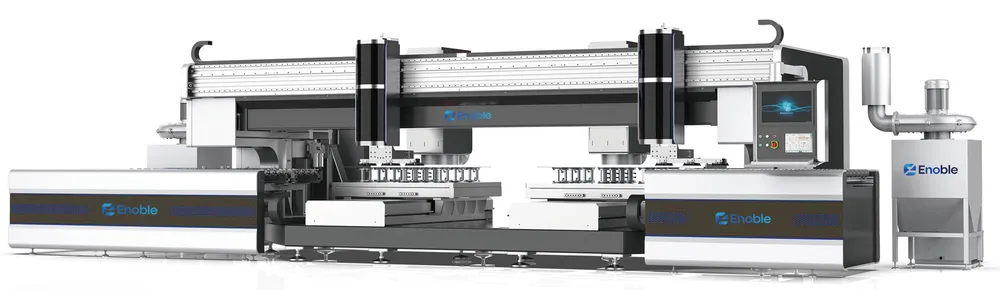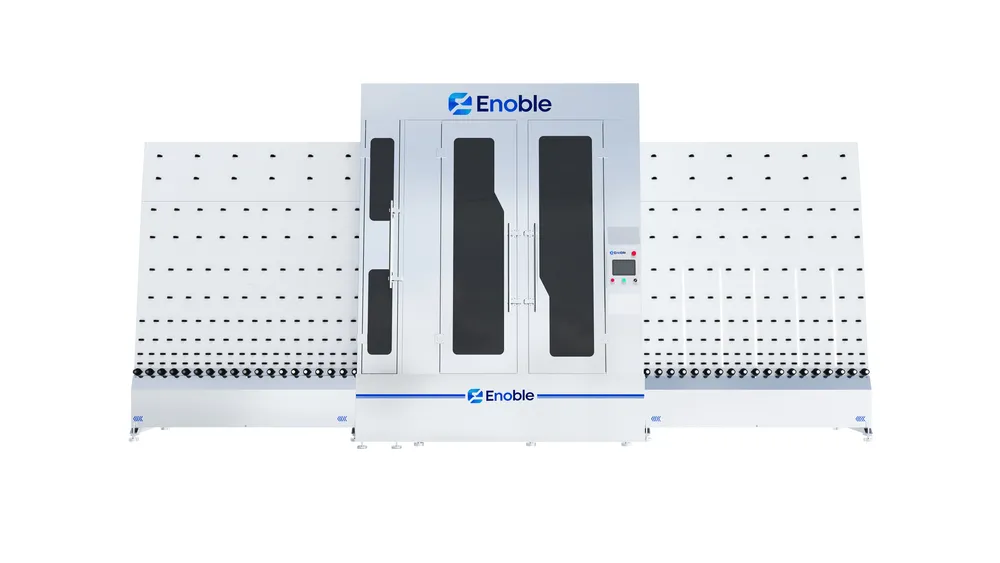
The Enoble Picosecond Laser Cutting Machine page is positioned for buyers comparing non-contact glass cutting equipment for precision shapes, holes, cutouts and decorative processing. It supports factories that need cleaner processing, flexible patterns and a more automated workflow than manual glass cutting.
Because final machine selection depends on glass type, thickness, processing target and output requirements, this page focuses on the practical buying factors that should be confirmed before quotation rather than publishing unsupported model numbers.
Use the checklist below to confirm whether a laser glass cutting configuration is suitable for the project.
| Selection Point | What Buyers Should Confirm |
|---|---|
| Glass Material | Flat glass type, coating condition, laminated or specialty glass requirements. |
| Processing Goal | Straight cutting, shaped cutting, holes, cutouts, engraving or decorative processing. |
| Drawing Workflow | Whether the factory uses CAD files or other digital drawings for production. |
| Edge Requirement | Required cutting quality, follow-up grinding needs and acceptable edge condition. |
| Factory Output | Expected daily output, batch size and automation level. |
The page now gives buyers a clearer way to evaluate laser glass cutting equipment before sending an inquiry.
| Feature Area | Buyer Value |
|---|---|
| Non-Contact Processing | Helps reduce mechanical stress during precision shape cutting and cutout work. |
| Digital Production | Suitable for factories that need repeatable processing from drawing-based workflows. |
| Flexible Pattern Work | Supports custom glass applications where product shape or decorative requirements change by order. |
| Configuration Support | Enoble can match the machine setup to glass size, material type, processing goal and workshop layout. |
Machine in Action
See selected Enoble Glass videos showing laser glass etching, drilling, decorative pattern processing and related laser machine references. These videos help buyers evaluate practical laser processing results before discussing a glass cutting or marking configuration.

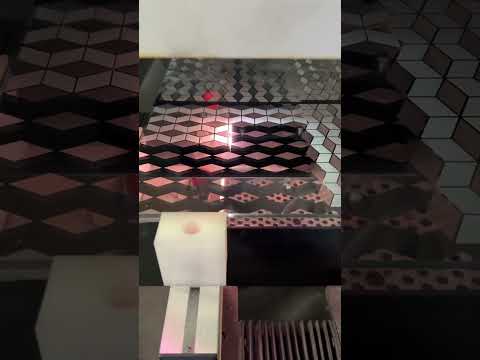

Laser glass cutting is most useful when a project needs precision, repeatability or flexible shape processing.
| Application | Typical Use |
|---|---|
| Architectural Glass | Custom panels, openings, special shapes and project-based cutting requirements. |
| Decorative Glass | Patterned panels, display glass and customized interior glass products. |
| Industrial Glass | Repeatable cutouts or component shapes where digital processing improves consistency. |
| Glass Cutting Solution | Compare this machine inside the full glass cutting solution. |
For a useful quotation, buyers should provide glass size, thickness range, drawings, process target, expected output and destination country. This allows Enoble to recommend the right laser cutting configuration and avoid over-specifying the machine.
| Is laser cutting suitable for every glass project? Not always. It is most relevant when precision shapes, cutouts, decorative requirements or digital repeatability matter. | What information is needed before quotation? Glass type, size, thickness, drawings, cutting target, output requirement and factory layout are the most important inputs. |
| How is this different from CNC glass cutting? CNC cutting is often selected for flat sheet cutting and loading workflows; laser cutting is more relevant for precision or specialty processing needs. | Can it be part of a wider cutting solution? Yes. It can be compared with CNC and waterjet equipment depending on material, shape and production requirements. |